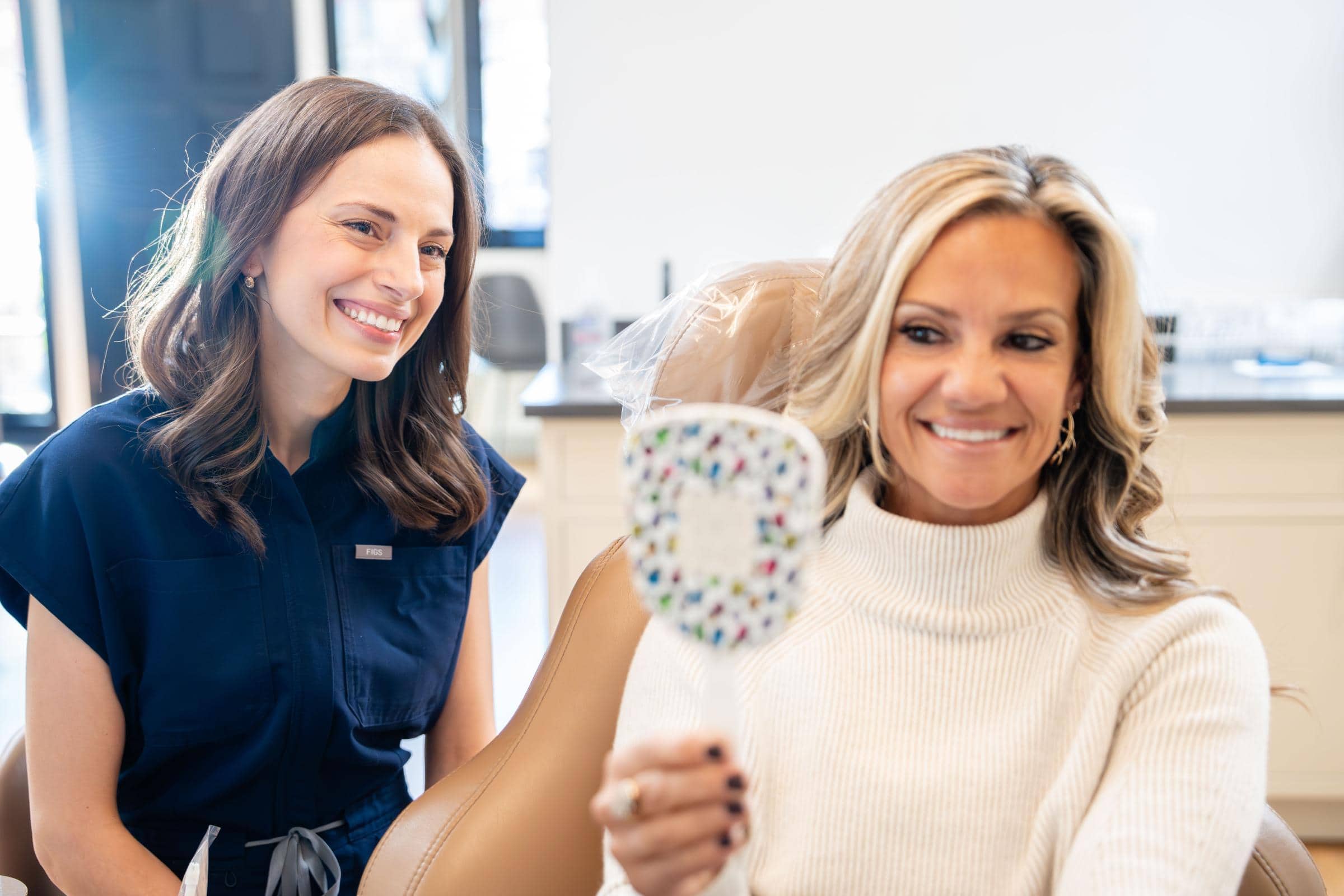
Not sure if that off-feeling bite is something to worry about? You’re not alone. Figuring out whether you have an overbite, underbite or crossbite is the first step toward a healthier smile and better jaw function. This guide from North County Orthodontics walks you through the three main bite problems, how to tell which one you have and what you can do about it.
What Is a Bite Problem? Overbite, Underbite and Crossbite Defined
A bite problem, known clinically as malocclusion, happens when your upper and lower teeth don’t line up properly when you close your mouth. The three most common types are overbite (upper front teeth overlap the lowers too much vertically), underbite (lower teeth sit in front of uppers) and crossbite (some upper teeth sit inside the lowers, either in the front or back of the mouth).
Two related conditions often come up too. A deep bite is an extreme overbite where upper teeth almost fully cover the lowers. An open bite is the opposite, when front teeth don’t touch at all when you close down.
At North County Orthodontics, Drs. Laura and Ross Pulver see all of these daily and can pinpoint the exact issue with a quick exam. No guessing games, just straight answers.
How to Tell Which Bite Problem You Have: Self-Check Guide
Want a quick home check? Grab a mirror, relax your jaw and bite down naturally. Here’s what to look for.
The Mirror Test
- Stand in good lighting with a mirror at eye level.
- Close your teeth together the way you normally would when chewing.
- Smile slightly so your teeth are visible.
- Observe how your top and bottom teeth meet.
Signs of an Overbite
- Upper front teeth cover more than a quarter of your lower front teeth
- You feel jaw tension or clenching, especially in the morning
- Lower teeth may touch the roof of your mouth when biting
- Chin can look slightly recessed in profile view
Signs of an Underbite
- Lower teeth sit in front of upper teeth when you bite down
- Lower jaw appears to jut forward
- Biting into foods like sandwiches or apples feels awkward
- You may notice a “bulldog” look in profile
Signs of a Crossbite
- Some upper teeth tuck behind lower teeth (should be the reverse)
- Your smile looks uneven or tilted
- Your jaw shifts to one side when you close your teeth
- You chew more on one side than the other
Overbite vs Overjet: What’s the Difference?
People mix these up all the time. An overbite is vertical, meaning how much the top teeth cover the bottom teeth. Overjet is horizontal, meaning how far the top teeth stick out in front of the bottom teeth. You can have both, one or neither.
When to See a Professional
Self-checks are a great start, but they can’t catch everything. If you notice jaw clicking, chronic headaches, uneven wear on your teeth or chewing trouble, it’s time for a professional look. A free consult with Dr. Laura and Dr. Ross gives you a clear answer, no guesswork required.
Why Fixing a Bad Bite Matters: Health and Function Benefits
Bite correction isn’t just about looks. A properly aligned bite protects your teeth, jaw and overall health for decades to come. Here’s what proper bite alignment can do for you.
Jaw Comfort and TMJ Relief
Misaligned bites force your jaw muscles to work overtime. Over years, this can lead to TMJ (temporomandibular joint) issues, chronic headaches and facial muscle tension. Correcting the bite can ease these symptoms, and many patients notice a difference within months.
What About Tooth Wear?
When teeth don’t meet evenly, certain spots take more pressure than they should. The result? Chipped edges, flattened cusps and worn enamel that can’t grow back. Early bite correction helps you keep your natural tooth structure for life.
Better Chewing and Digestion
Chewing is step one of digestion. If your bite doesn’t work well, food isn’t broken down properly before swallowing. A straightened bite makes eating more comfortable and efficient.
Healthier Gums and Bone
Teeth that take uneven force can stress the surrounding gums and bone. In some cases, this contributes to gum recession and bone loss over time. Aligning the bite distributes forces evenly, protecting those tissues for the long haul.
Clearer Speech, Too
Certain bite issues, especially open bites and severe overbites, can create lisps or whistling sounds. Many kids, teens and adults notice clearer speech after treatment, sometimes within the first few months.
Ever Thought About Sleep?
Jaw position influences airway size. A narrow upper jaw or misaligned bite can contribute to mouth breathing and even sleep-disordered breathing. Appliances like a palatal expander or MARPE can open things up, and in some cases that improves sleep quality too.
Overbite vs Underbite vs Crossbite: Key Differences
Still fuzzy on which is which? This comparison table makes it easy.
| Feature | Overbite | Underbite | Crossbite |
|---|---|---|---|
| Tooth Position | Upper teeth overlap lower teeth vertically | Lower teeth sit in front of upper teeth | Some upper teeth sit inside lower teeth |
| Jaw Classification | Often Class II | Often Class III | Can occur with any class |
| Common Symptoms | Jaw tension, worn lower teeth, recessed chin | Chewing difficulty, protruding lower jaw | Jaw shifting, uneven smile, one-sided chewing |
| Location | Front teeth, vertical overlap | Front teeth, reversed position | Front (anterior) or back (posterior) |
| Severity Range | Mild cosmetic to deep bite | Mild to skeletal Class III | Single tooth to full-arch |
| Related Term | Overjet (horizontal protrusion) | Class III malocclusion | Scissor bite (extreme form) |
Quick Clarifiers
Crossbite vs underbite: An underbite always involves the front teeth with the lower jaw forward. A crossbite can be anywhere in the mouth and may involve just one or two teeth.
Overbite vs overjet: Overbite measures vertical overlap. Overjet measures how far upper teeth protrude horizontally in front of lower teeth. They often go together but aren’t the same thing.
Severity matters. Mild bite issues may be mostly cosmetic. Moderate to severe cases usually affect function, comfort and long-term dental health, which is why early evaluation is so valuable.
What Shapes Your Bite Correction Plan
Every smile is different, so every custom plan looks a little different too. Cost is one of the first things families want to talk about, and that’s fair. Here are the main factors that shape your plan, including which of our treatment options fits best.
- Severity of the bite issue. Mild crowding with a slight overbite is simpler than a skeletal Class III underbite needing jaw expansion.
- Treatment type. Options include Spark clear aligners, Damon Ultima metal braces, LightForce clear braces, palatal expanders and MARPE, sometimes in combination.
- Treatment length. Most cases take 12 to 24 months, though simpler cases can finish sooner and complex ones may take longer.
- Insurance coverage. Many plans help with orthodontic treatment, especially when bite correction is considered medically necessary.
- Age and growth stage. Early intervention in kids can sometimes prevent the need for more involved treatment later.
At North County Orthodontics, we offer a free consult with a custom plan so you know exactly what to expect before anything starts. Our team walks you through every number so there’s nothing hiding in the fine print. We also offer an in-house 0% payment plan to keep monthly costs manageable for families. For a closer look at what goes into the price of treatment, read our guide on how much braces cost.
Who Is a Candidate for Bite Correction?
Short answer: almost anyone with a bite problem. Treatment looks different by age, but the goal is the same for kids, teens and adults alike.
Kids (Age 7 and Up)
The American Association of Orthodontists recommends a first orthodontic check-up by age 7. At this stage, Dr. Laura and Dr. Ross can spot developing bite issues early, often while the jaw is still growing. Early treatment with a palatal expander can correct crossbites and create space, sometimes avoiding extractions or surgery later. Our 7&Up Kids Club offers complimentary growth monitoring so we catch the right window for treatment.
Teens
Teens are in the sweet spot for braces or aligners. Their jaws are still growing, which helps treatment move along smoothly. Most teen bite problems respond well to Damon Ultima metal braces, LightForce clear braces or Spark aligners.
Adults
Good news: adults can absolutely correct bite alignment problems. Clear aligners, modern braces and tools like MARPE have opened up options that didn’t exist a generation ago. Whether you’re 25 or 65, bite correction can relieve symptoms and protect your teeth long-term.
Severe Skeletal Cases
Some bite problems involve the jawbones themselves, not just the teeth. In these cases, orthodontic treatment combined with jaw surgery may offer the best result. Drs. Laura and Ross Pulver, both board-certified orthodontists, will walk you through whether that applies to you.
Frequently Asked Questions About Bite Problems
Is a crossbite the same as an underbite?
Not quite, they’re different. An underbite specifically refers to lower front teeth sitting in front of upper front teeth, usually linked to lower jaw growth. A crossbite can happen anywhere in the mouth, front or back, and may involve just a single tooth or a group. All underbites involve a crossbite of the front teeth, but not all crossbites are underbites.
What does a Class II malocclusion look like?
Class II usually shows up as an overbite or overjet. The upper teeth and often the upper jaw sit noticeably ahead of the lower jaw. You might see a receded chin or upper front teeth that stick out prominently. Treatment often involves braces, aligners or growth-guidance appliances in younger kids.
Can bite problems fix themselves over time?
Unfortunately, no. Bite problems almost never improve on their own and often get worse as years of uneven chewing forces wear down teeth and stress the jaw. The earlier you address malocclusion, the simpler the fix tends to be. Waiting rarely helps.
Can adults fix bite alignment problems?
Yes, and more adults are doing it than ever. Modern tools like Spark clear aligners, LightForce clear braces and MARPE make adult treatment effective and comfortable. Age isn’t a barrier. Dr. Laura and Dr. Ross treat adults every day.
Will insurance cover bite correction?
Often, yes, at least partially. Many dental and medical plans include orthodontic benefits, especially for bite correction that affects function (not purely cosmetic cases). Our team at North County Orthodontics will review your benefits for you and walk through what’s covered. We also offer zero-interest in-house financing so cost doesn’t stand in the way.
At what age should a child’s bite be checked?
By age 7, according to the American Association of Orthodontists. Some baby teeth are still in place at that point, but adult teeth and jaw growth are well underway, giving orthodontists a clear picture of how the bite is developing. Early checks don’t mean early treatment, they just mean smart timing when the moment is right.
Ready to Get Answers About Your Bite?
If something feels off about your bite, don’t guess. A quick exam from Drs. Laura and Ross Pulver, our board-certified husband-and-wife team, can tell you exactly what’s going on and what your options look like. Your free consult comes with a same-day smile plan, zero pressure and a clear path forward.
Visit us at either of our two offices:
- Atascadero Office: 4555 El Camino Real, Suite B, Atascadero, CA, (805) 238-2632
- Paso Robles Office: 614 13th Street, Paso Robles, CA, (805) 238-2632
Book your free consult online today and let’s help you love your smile!